


Beating the Heat: A blog about Heatstroke
- Jul 28, 2025
- 4 min read
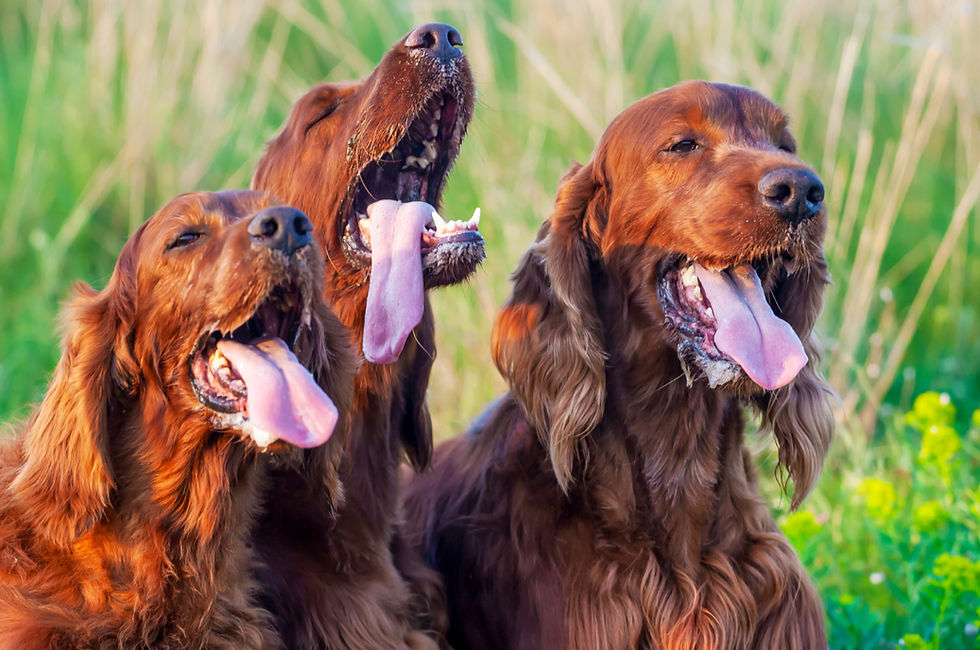
And with that, we’re into summer here in Hong Kong, a season in which thriving is no easy feat and surviving may be more realistic for many a creature, both humans and otherwise. Once we reach adulthood I suppose we should have really worked out how to keep ourselves cool, calm and collected in the heat, but most of us will still end up sweaty, red faced and just a tad uncomfortable. Luckily none of those symptoms could be considered life threatening, and in fact sweating is to our advantage when it comes to cooling off. But when it comes to considering heat stroke in our pets, the heat can quickly become deadly. As much as we all love a frolic in the sun, it’s important to know the signs and symptoms of heat stroke, and how to avoid it. So, pour yourself a cold drink, sit in front of the fan, and read on.
What is heat stroke?
Living bodies are carefully controlled to maintain a small variation in internal temperature. This allows our organs to work normally and us to therefore function as we’re meant to. If the body temperature rises too high, heat stroke can occur. For dogs and horses, this occurs at about 40.5℃. Normally, dogs reduce heat through panting and sweating through their paws, and horses through sweating. At this tipping point however, the amount of heat in the body overtakes the amount of heat which the body can get rid of, and things start to go wrong. The high temperature triggers a stress response in the body and an inflammatory reaction that can lead to the shut down of organs, nervous system dysfunction, and ultimately if not remedied quickly, death.
Risk factors & Causes:
Obviously, high temperatures cause heat stroke. So, as the weather grows hotter the risk grows, particularly in humid environments such as here in HK. We need to be extra careful of never leaving dogs in hot cars or rooms without adequate air conditioning or ventilation. However, there are a few other contributing factors that may increase the risk further. Older dogs are at higher risk, as are Labradors and brachycephalic breeds (the more ‘official’ way to refer to breeds that have cute squished faces), such as Bulldogs, Shih Tzus and Pugs. At the risk of sounding like a broken record to loyal blog readers, obesity is a risk factor for heat stroke, but bigger breeds in general are also more at risk. Excessive exercise also increases the risk, just as we can be hot and bothered after working out, so can our dogs, and long coated breeds may struggle even further to cool back down. Finally, prior health conditions such as breathing problems, heart conditions and neurological disease can all raise the risk of heat stroke.
When it comes to horses, similar factors apply. Environmental temperature and humidity, excessive exercise, increased age, co-morbidities and long coats can all contribute to the development of heat stroke. Horses have the added benefit of being able to sweat to cool themselves, but for the unfortunate number who are dry coated, or unable to sweat properly, the risk is raised considerably.
Signs and symptoms:
Excessive panting/heavy breathing
Tiredness
Unwillingness to move
Dribbling/drooling (in dogs)
Confusion
Vomiting (in dogs)
Excessive sweating (in horses)
Collapse/weakness
Fitting
Diarrhea
Increased heart rate
Red gums or tongue (in dogs)
Agitation
Decreased balance
Hot skin

Treatment
Heat stroke is a life threatening condition, and if you suspect your pet may be suffering it is vital to get veterinary input urgently. In terms of emergency first aid, you need to do everything you can to cool the animal quickly. Stop any exercise, and move to a shady or preferably air conditioned area. Pour cool water (not cold as this can be counterproductive by constricting blood vessels), over their body, avoiding their head. Let them drink small amounts of cool water, with electrolytes if you have access to them.
Once at the vets, they will continue with cooling methods and begin to assess which organ systems may be affected. If the animal’s breathing has been affected, intubation may be necessary. Fluid therapy is vital, and it is likely the vet will begin IV fluids immediately. Medication may then be necessary to minimise or prevent organ system damage and to support recovery.
Prevention
The most important thing you can do for your pet when it comes to heatstroke is to do everything possible to prevent it happening in the first place. Allow your pet free and constant access to water and shade, and when possible air conditioning, and never leave them in a hot car or room. Don’t exercise in the hottest part of the day, and reduce workout lengths when it’s very hot or humid. On this note, always do the pavement test to avoid burnt paws. You should be able to hold your hand on the pavement for 5 seconds, if you can’t then it’s too hot! If you’re struggling to meet your high-energy dog’s exercise needs in the summer, consider taking them swimming (note: outdoor swimming still carries a risk of heat stroke), or reach out to us at JDP to chat about utilising our temperature controlled underwater treadmill as a fitness session.
Keep cool, calm and collected this summer and prioritise your best friend’s safety by keeping them as chill as you are! Remember to monitor them closely and seek veterinary attention if you suspect the heat may have gotten the best of them.
It's as easy as that folks, so say hi to your dog for us and send us through any photos of your pet being sunsmart with hats and sunglasses or chilling in the shade- we love to see it.


Comments